
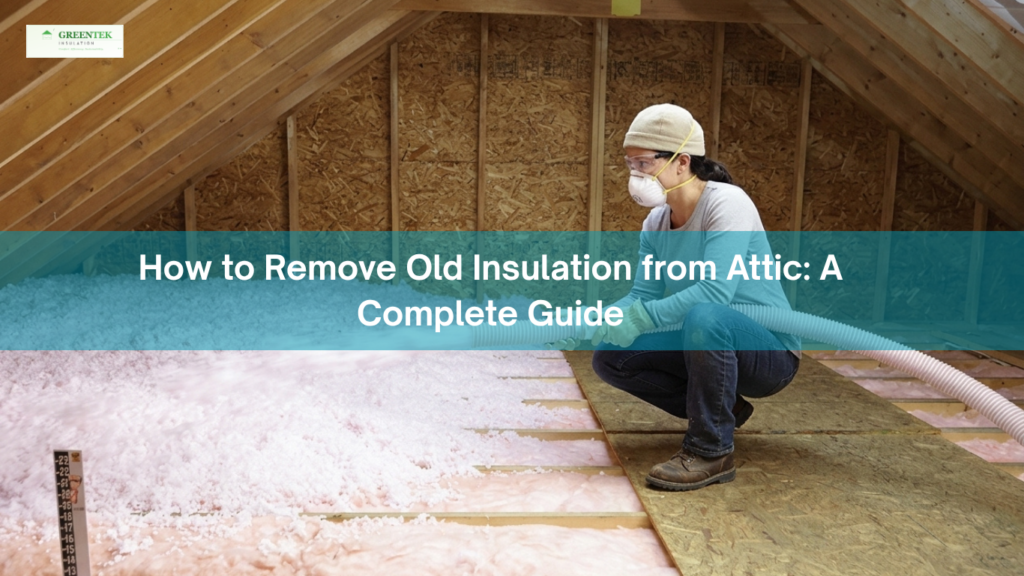
How to remove old insulation from attic spaces safely depends on the material, its condition, and possible contamination. Start by identifying whether you have fiberglass batts, blown-in cellulose, or damaged insulation. Then prepare the attic, wear proper protective equipment, and use suitable removal tools. For loose-fill insulation, a specialized insulation vacuum can make removal easier.
Old insulation may need removal because of water damage, mold, rodent activity, or poor thermal performance. However, not every material is safe to handle. Vermiculite insulation may contain asbestos, so never disturb or remove it yourself. The U.S. Environmental Protection Agency (EPA) recommends leaving it undisturbed and hiring a trained asbestos-abatement professional when removal is necessary.
Whether you’re upgrading an older home or improving energy efficiency in Los Angeles, this guide explains the tools, safety precautions, removal steps, and disposal methods you need to know. You’ll also learn when professional attic insulation removal is the safer choice.
When Does Old Attic Insulation Need to Go?
Insulation needs removal when it is wet, moldy, or contaminated. Roof leaks compress fiberglass and cellulose and ruin their R-value. A musty smell often points to hidden moisture.
Rodents also damage insulation. They nest in it, chew it, and leave droppings and urine behind. Effective rodent-proofing keeps new insulation from suffering the same fate.
Age alone is not a reason to tear everything out. Clean and dry insulation can stay in place. Review when to replace attic insulation before you decide.
Check for Asbestos and Other Hazards First
Identify the material before you touch it. Common types include fiberglass batt insulation, blown-in fiberglass, cellulose, and mineral wool. Vermiculite looks like gray-brown, accordion-shaped pebbles.
Vermiculite sold as Zonolite often came from a mine in Libby, Montana. That ore was contaminated with asbestos. Test it or hire a licensed professional before anyone disturbs it.
Also look for exposed wiring, mold, and droppings. Make sure the attic hatch fits you and your equipment. Walk only on joists, never on drywall.
Tools and Protective Gear You Need
An insulation removal vacuum collects blown-in fiberglass and cellulose. You also need a long hose and heavy-duty contractor bags. Add work lights, since attics are dark.
Wear a NIOSH-approved respirator, such as an N95 or better. Add sealed goggles, gloves, and disposable coveralls. Tape your sleeves and cuffs to keep fibers off your skin.
How to Remove Fiberglass Batt Insulation
Clear stored items and light the attic well. Cover the hatch and seal doorways with plastic sheeting. Switch off power to attic circuits if wiring is exposed.
Lift each batt gently from between the joists. Roll it up instead of shaking it. Bag it right away and seal the bag.
How to Remove Blown-In or Loose-Fill Insulation
Set up the vacuum outside, with the hose running into the attic. Work in rows from the farthest corner back toward the hatch. Never use a household vacuum, because it clogs and spreads fine dust.
Empty the collection bags before they overfill. Vacuum down to the drywall without gouging it. Check joist bays and corners for leftover pockets of blown-in insulation.
Clean and Prepare the Attic for New Insulation
Inspect the bare attic after removal. Look for roof leaks, stained wood, and rodent entry holes. Fix the source of any damage first.
Heavy dust or droppings may need professional attic cleaning before anything new goes in. Seal gaps around wires, pipes, and light fixtures. Make sure soffit vents and baffles stay clear.
How to Dispose of Old Insulation Properly
Double-bag the removed material in heavy-duty bags. Seal each bag tightly to keep fibers contained. Load them carefully to avoid tears.
Rules differ by city and county. Check with your local solid-waste agency or landfill before hauling. Contaminated or asbestos-suspected material needs a licensed handler.
How Much Does Attic Insulation Removal Cost in Los Angeles?
Angi’s Los Angeles removal cost guide is the source for the local price range. The estimate used here is about $2 to $4.50 per square foot. Mold, rodent waste, and hazardous material raise it.
The table applies that rate to common attic sizes. These are calculated illustrations, not contractor quotes. Replacement is a separate expense, so see the cost to replace attic insulation.
| Attic size | Estimated removal cost |
|---|---|
| 500 sq. ft. | $1,000–$2,250 |
| 1,000 sq. ft. | $2,000–$4,500 |
| 1,500 sq. ft. | $3,000–$6,750 |
| 2,000 sq. ft. | $4,000–$9,000 |
DIY or Professional Removal: Which Is Safer?
DIY suits clean, dry, easy-access attics with known materials. You save on labor but must rent equipment and handle disposal. You also carry all the safety risk.
Hire a professional for mold, rodent waste, or heavy water damage. Pros bring commercial vacuums and trained crews. Suspected asbestos always goes to a licensed asbestos specialist.
Frequently Asked Questions
Can I Remove Old Attic Insulation Myself?
Yes, you can remove clean, dry, and accessible insulation if you have suitable protective equipment and removal tools. However, avoid DIY removal if you find mold, rodent contamination, or suspected asbestos-containing materials.
How Long Does Attic Insulation Removal Take?
The time depends on attic size, insulation type, accessibility, and contamination. A small, accessible attic may take several hours, while larger or contaminated spaces can require a full day or longer.
Do I Need to Remove Old Insulation Before Installing New Insulation?
Not always. You can sometimes install new insulation over existing material if it is clean, dry, and in good condition. Remove damaged, wet, moldy, or contaminated insulation before installing replacement material.
Can Old Fiberglass Insulation Be Reused?
Clean, dry fiberglass insulation may sometimes be reused if it remains intact and retains its original shape. However, compressed, wet, contaminated, or deteriorated material should generally be replaced rather than reused.
What Happens If Attic Insulation Gets Wet?
Wet insulation can lose effectiveness and may develop mold, unpleasant odors, or other moisture-related problems. Find and repair the source of the water before deciding whether the affected material needs removal and replacement.
Is Removing Old Attic Insulation Dangerous?
It can be risky because insulation removal may release airborne fibers, dust, mold spores, or contaminated particles. Proper protective equipment is essential, and suspected asbestos-containing vermiculite must not be disturbed. Contact qualified professionals for hazardous materials.
Final Thoughts
Removing old attic insulation requires careful inspection, proper protective equipment, and the right removal method. Homeowners should also address moisture, pest problems, and air leaks before installing new insulation. These steps help prepare the attic for better performance and long-term comfort. If the project involves extensive debris or contamination, professional assistance can make the process safer and more manageable. GreenTek Insulation offers attic cleaning and sanitization, insulation, and rodent-proofing services in Los Angeles.