
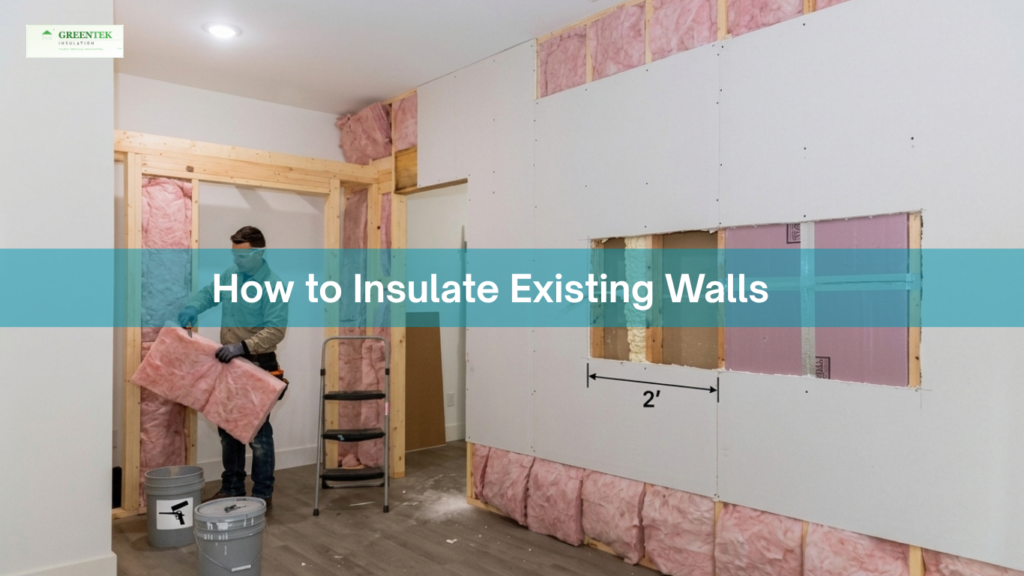
How to insulate existing walls without removing all your drywall? The good news is that you can often add insulation through small access holes using a method called drill-and-fill. This process allows contractors to fill wall cavities with blown-in cellulose or fiberglass while minimizing disruption to your home.
But is every wall suitable for this method? Not necessarily. Existing insulation, electrical wiring, plumbing, moisture problems, and wall construction can affect the right approach. Other options include adding rigid foam insulation during siding replacement or installing new insulation after opening the walls.
For homeowners in Los Angeles, properly insulated walls can help reduce unwanted heat transfer, improve indoor comfort, and support better energy efficiency throughout the year. In this guide, you’ll learn how to inspect existing walls, choose the right insulation material, compare installation methods, and understand potential costs. We’ll also explain important safety considerations and when professional installation makes sense.
Can You Insulate Existing Walls Without Removing Drywall?
Most closed walls can be filled from the inside or the outside. Installers drill a small hole into each stud cavity. They then fill the space with dense-pack material until it is full.
The right material depends on the wall. Dense-pack cellulose and fiberglass are the most common fills. Professional wall insulation services usually start with a cavity inspection before choosing either one.
Some walls need to be opened. Structural damage, rewiring, or plumbing repairs may require drywall removal. A pre-job inspection shows which route is safer.
Signs Your Walls Need More Insulation
Uneven room temperatures are the most common clue. One room may stay hot while the next stays cold. Exterior walls may also feel warm or cool to the touch.
High energy bills and extra outside noise are other hints. Wall surfaces that feel cold in winter point the same way. Each sign suggests heat is moving through the wall too easily.
Treat these signs as a reason to inspect, not as proof. Air leaks, old windows, and HVAC faults cause the same problems. A proper check separates the real cause from the guesses.
How to Check What Is Inside Your Walls
Start with a simple outlet check. Turn off the power at the breaker first. Then shine a flashlight into the gap around the outlet box.
A borescope camera gives a much clearer view. It slides through a small hole and shows the cavity. This lets a pro see the material, its depth, and any gaps.
Thermal imaging adds useful clues. It highlights cold spots and missing insulation. It cannot confirm the material or its thickness, so a physical check still matters.
Best Insulation for Existing Walls
The best material depends on cavity depth, moisture, and your goals. Four options cover most retrofits. Each one suits a different wall type.
Dense-pack cellulose is a favorite for drill-and-fill. It is made mostly from recycled paper and treated for fire resistance. Blown-in insulation of this kind packs tightly around wiring and framing, and it also helps dampen sound.
Fiberglass comes as loose fill or as batts. Loose fiberglass can be blown into closed walls. Batt insulation suits open walls, since it must be fitted by hand without gaps or compression.
Injection foam fills enclosed cavities through small ports. Spray foam insulation can slow air leakage as well as heat flow. The product type, expansion rate, and wall condition must all match.
Rigid foam board adds a continuous layer over the framing. EPS, XPS, and polyiso are the common types. It reduces thermal bridging but needs siding removal or an interior layer.
| Material | Main advantage | Key caution |
| Dense-pack cellulose | Fills irregular cavities | Needs correct density |
| Blown-in fiberglass | Light and versatile | Needs full coverage |
| Injection foam | Seals enclosed cavities | Product must suit the wall |
| Rigid foam board | Continuous coverage | Needs extra wall work |
How to Insulate Existing Walls Step by Step
- Inspect the wall. Identify the stud spacing, cavity depth, and any existing insulation. Look for stains, mold, and cracks. Note where the wiring and pipes run.
- Choose the material. Match the product to the cavity and moisture level. Compare the R-values of each option. Use only products rated for existing walls.
- Drill the access holes. Find the studs with a stud finder. Mark holes between them. Work from the interior, or remove a few siding courses outside.
- Fill the cavities. Use the right blowing or injection machine. Follow the maker’s density guidance. Fill each cavity evenly from the bottom to the top.
- Seal and repair. Plug every hole to stop air leaks. Cover interior holes with joint compound, then sand and repaint. Restore the siding and weatherproofing outside.
- Verify the result. Check coverage with a camera or thermal scan. Confirm that every hole is sealed. Fix any moisture or air leaks you found earlier.
Methods for Insulating Existing Walls
Drill-and-fill is the standard method for closed cavities. Installers drill, fill, plug, and patch. The work is quick and causes little mess.
Exterior access can avoid interior repairs. Installers remove a few siding sections and fill the cavities from outside. This method is handy when you are already replacing siding.
Interior drilling suits homes with fragile or hard-to-reach siding. A new insulated layer is another option. It adds an R-value but shrinks the room and needs extra finishing.
How Much Does It Cost to Insulate Existing Walls?
Cost depends on wall area, cavity depth, and material. Access also matters. A small, easy project costs less than a full retrofit with repairs.
Repairs and wall condition add to the total. Drywall patching, repainting, and siding work all count. Moisture or old insulation may need attention first.
DIY lowers labor costs, but you still pay for material and rental equipment. Professional work includes inspection, equipment, and patching. Ask for an itemized quote so you can compare bids fairly.
What to Check Before Insulating Walls
Moisture comes first. Look for stains, leaks, and visible mold. Fix roof and plumbing leaks before any insulation goes in.
Wiring and plumbing come next. Knob-and-tube wiring needs an electrician’s review before insulation touches it. Never drill blindly into a closed wall.
Vapor control and fire blocking also matter. A misplaced vapor barrier can trap moisture inside the wall. Keep fire blocking intact and follow local building codes.
Older homes carry extra risks. Pre-1978 paint may contain lead, and the EPA Renovation, Repair and Painting rule applies to contractors. Vermiculite fill can contain asbestos and should be tested first.
Wall Insulation Considerations for Los Angeles Homes
Los Angeles has a mild but varied climate. Coastal areas stay cool, while the Valley runs hot. Walls must handle both heat gain and cooler nights.
Many older LA homes have stucco and uninsulated 2×4 walls. These are strong candidates for dense-pack retrofits. The state’s Building Energy Efficiency Standards may apply when you alter walls, so check with your local building department.
Comfort is not only about temperature. Busy streets and neighbors add noise to many LA homes. Filled walls paired with soundproofing insulation can calm a room noticeably.
When Should You Hire a Professional?
Call a licensed contractor for hidden moisture, mold, or damaged insulation. Older wiring and odd wall construction also call for expert help. So does any doubt about existing coverage.
Professionals bring cameras, calibrated machines, and code knowledge. They can tell whether a cavity has room for more material. This lowers the risk of uneven fill, compression, and repair costs.
Final Thoughts
Wall insulation can improve comfort and lower energy use. Most homes can be upgraded without removing drywall. The right result depends on construction, moisture, and material choice.
Inspect first, fix problems, and then insulate. Use the method that suits your wall type. Careful prep protects both your home and your investment.
Frequently Asked Questions
Can you insulate existing walls without removing drywall?
Yes, in most cases. Installers use small access holes and blow in the material. Damaged or inaccessible walls may need opening.
What is the best insulation for existing walls?
Dense-pack cellulose, blown-in fiberglass, and injection foam are common. The best pick depends on cavity depth and moisture. Ask for the R-value of each option.
Can you blow insulation into walls that already have insulation?
Sometimes. A pro should check the condition and free space first. Overfilling can cause compression and uneven coverage.
How long does wall insulation last?
Properly installed insulation can last for decades. Moisture, pests, and damage shorten its life. Periodic checks catch problems early.
Does wall insulation reduce outside noise?
Yes, in many cases. Dense materials like cellulose help most. Air sealing and wall construction also affect the result.